Building Awareness Around Carpooling A Data-Driven Path to Smarter Urban Mobility
Most of the urban transport systems in the world are under increasing pressure. Heavy population growth, saturation by vehicles, and increased fuel costs have all turned the daily commute into a massive economic and environmental damper. Even with all mobility technology being in place, a significant percentage of urban trips are still being made with single-occupancy vehicles. Therein lies the importance of carpooling, with the digital platforms serving to enhance it-not only as a transport alternative but, more importantly, as changing behavior ever so needed by cities.
Awareness creation about carpooling is not merely about getting people into a car together. It is about educating commuters regarding the inefficiencies in the travel patterns in vogue and offering technology-enabled carpooling as a viable, safe, and scientifically validated alternative.
Closing the Awareness Gap in Urban Commuting
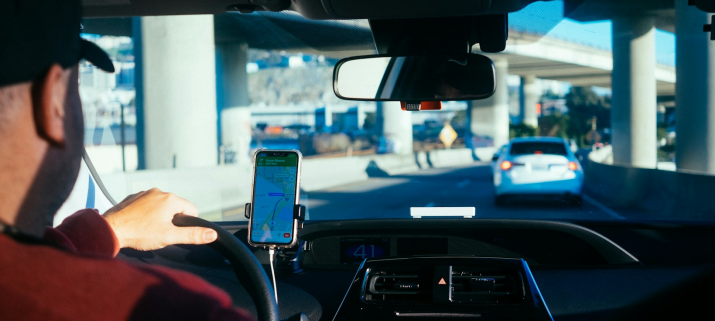
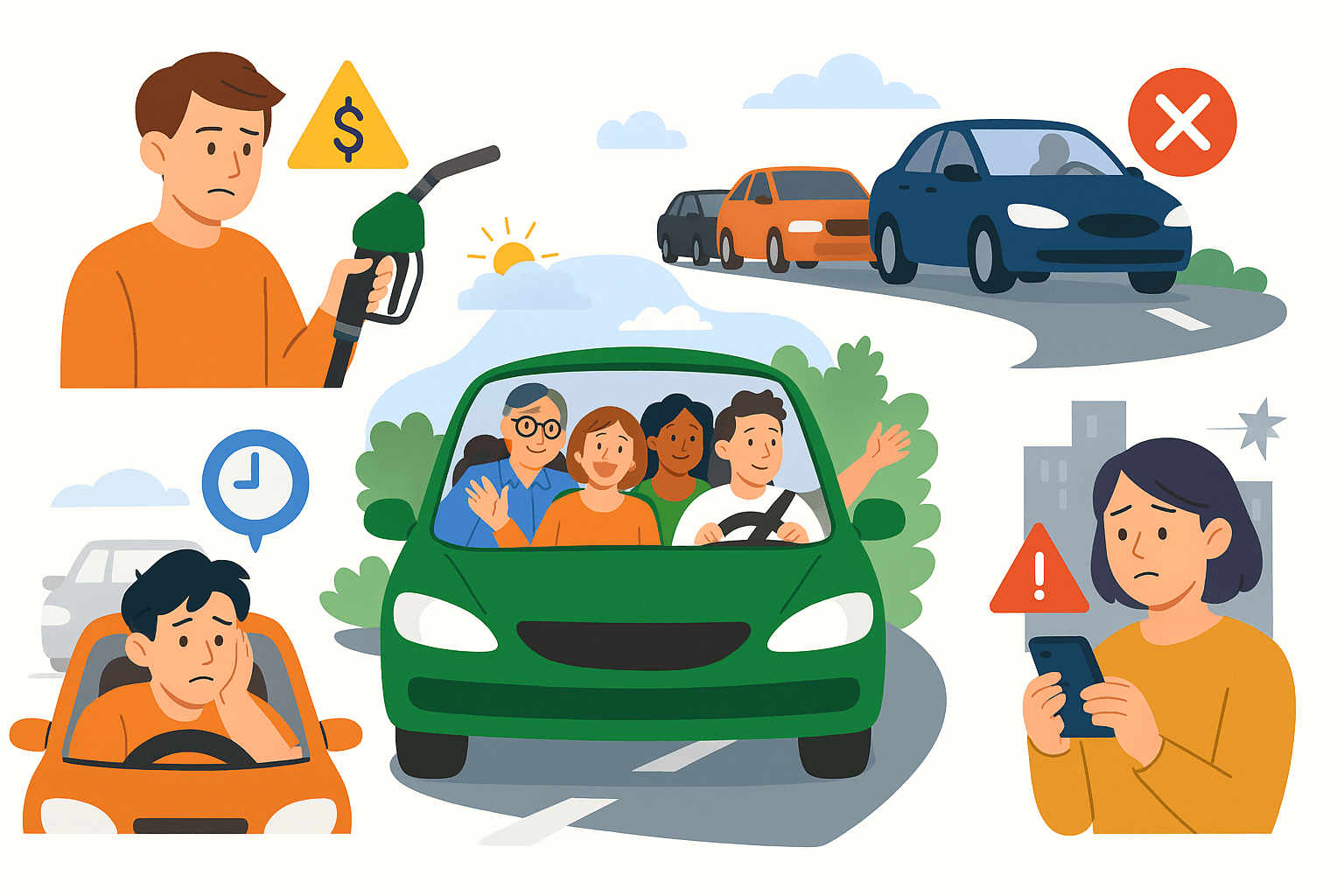
Surveys and studies conducted in transport systems around the world repeatedly indicate that more than 60% of the cars found in urban highways are carrying one single person. This is leading to excessive road capacity wastage, increased fuel consumption, and high emissions amongst others. Still, many commuters regard carpooling as inconvenient or less flexible due to safety issues-impressions primarily driven by obsolete or informal ride-sharing models.
Contemporary carpooling solutions are poised to step in and address those concerns using technology. Awareness campaigns should center on how carpooling today is fundamentally different from traditional ride-sharing.
Technology as an Awareness Enabler
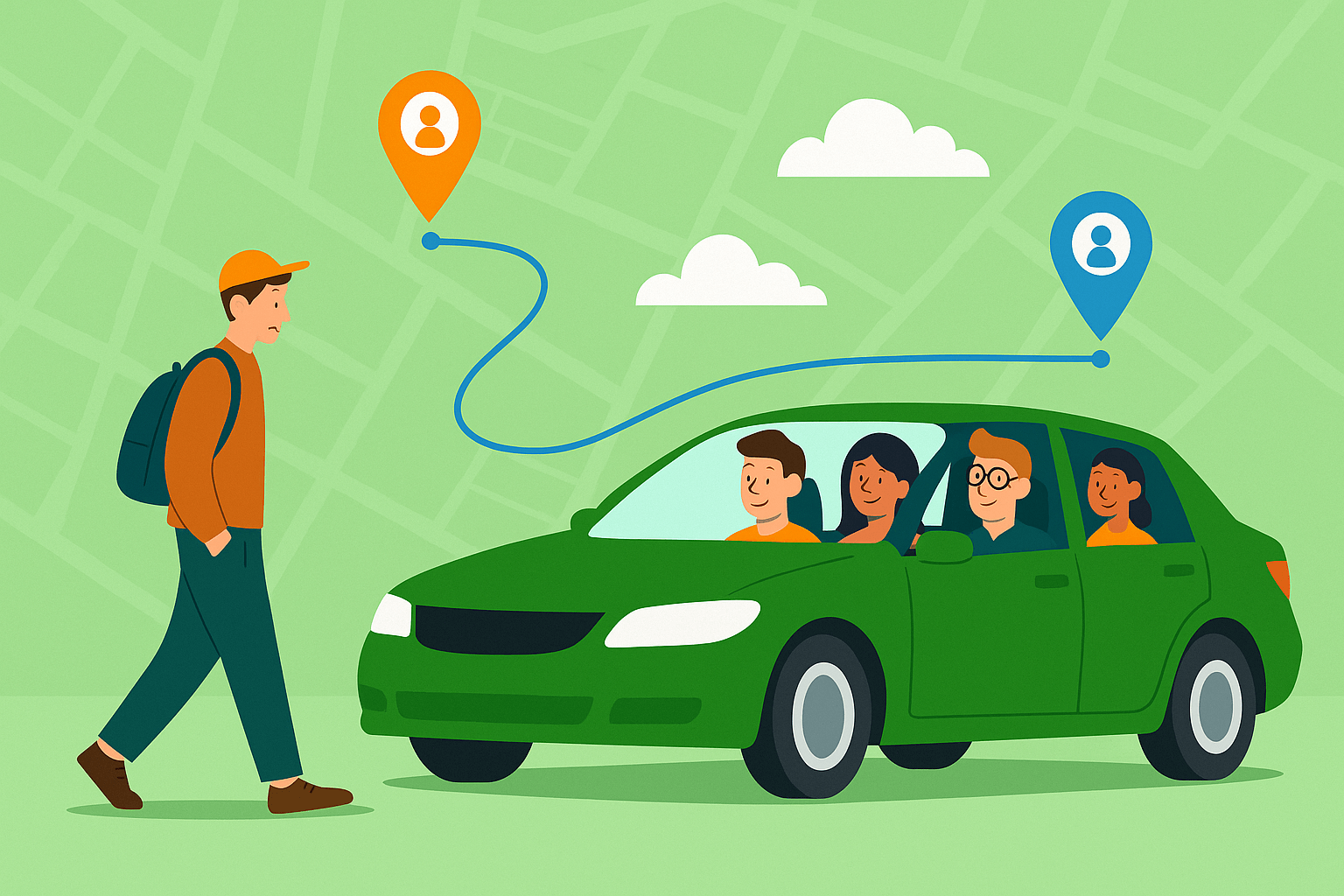
Digital carpooling platforms rely on real-time data, location intelligence, and identity verification to make shared commuting predictable and secure. Route-matching algorithms take into account origin and destination, time windows, and traffic data to efficiently connect compatible riders. This ends the uncertainty that had discouraged many from using it.
Data-backed awareness campaigns can show direct advantages: reduced travel expenses, predictability in schedules, and safety. When commuters realize that carpooling is no longer random and informal, the uptake will skyrocket.
Awareness of Environmental and Economic Aspects
Transport contributes widely to urban carbon emissions. Increasing average vehicle occupancy a cohort could measurably reduce emissions per commuter. Awareness therefore of carpooling becomes a direct player in climate incumbents at city-level strategies.
In shared mobility, lower per-person commuting costs and minimized public expenditure on road expansion plus parking infrastructure constitute economic perspectives. Data-oriented awareness messaging helps put commuters and policymakers in a position to view carpooling not as a lesser choice but a gaining choice of an already-there resource.
Community-Building Awareness
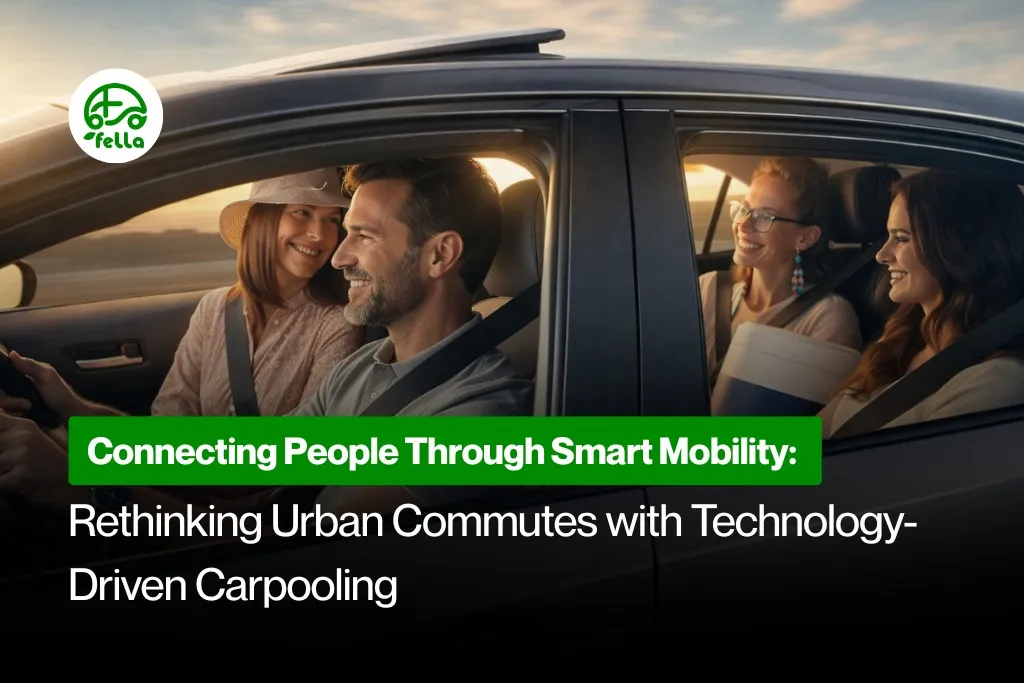
Another critical dimension of carpooling awareness is its social impact. The technology-driven platforms, therefore, create communities that are verifiable and trust-based with commuters traveling with repeatedly known profiles, building social capital in return for travel efficiency.
Awareness initiatives that focus on community trust, safety systems, and user accountability will work in moving carpooling from being a so-called “budget option” to a truly “smart lifestyle choice.”
Conclusion
Awareness concerning carpooling is prominent when it comes to determining the future evolution of urban mobility. With the support of data, technology, and transparent platforms, carpooling can transition from being a less favored practice to becoming a widespread choice in commuting. Today, awareness is no longer about persuasion; it is about the clear evidence that shared mobility works better for people, cities, and the environment.